


jk4 | Exploring the Fascinating World of Simulator Games
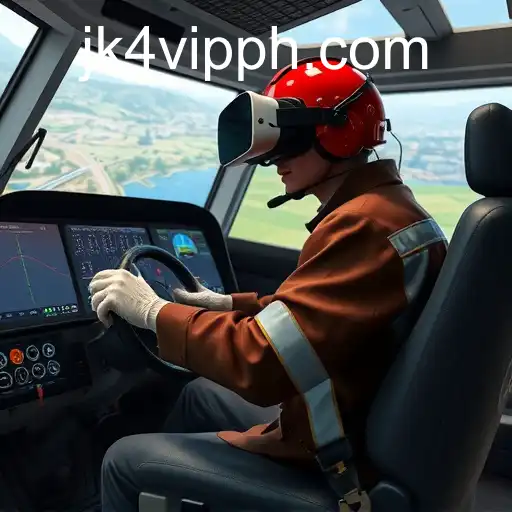
Simulator games have carved out a unique niche in the expansive realm of video games, providing players with the opportunity to step into alternate realities that range from the ordinary to the extraordinary. As a game category, "Simulator Games" have increasingly gained popularity, capturing the interests of a diverse gaming community who seek immersive and realistic experiences. With "jk4" as a keyword buzzing in this genre, it's essential to understand what drives the fascination behind these games.
The appeal of simulator games lies in their ability to replicate real-world activities with a high level of detail. Whether it's flying an aircraft in a flight simulator, managing a farm in an agriculture simulator, or even simulating life in a virtual world, these games offer a vast array of experiences. Players are given the freedom to perform tasks, make strategic decisions, and deal with everyday challenges, all within a controlled virtual environment.
One of the most celebrated aspects of simulator games is their educational potential. Many players engage with these games not just for entertainment, but also as learning tools. Flight simulators, for example, are used by aviation schools worldwide to train aspiring pilots. Similarly, construction simulators can help players understand the intricacies of building and infrastructure development. This educational value adds a layer of depth to the genre, allowing players to gain and apply real-world knowledge in a simulated setting.
The development and technological advancements in virtual reality (VR) have further propelled the popularity of simulator games. VR provides an immersive layer that enhances the realism of these simulations, letting players physically interact with their environments. The inclusion of VR technology amplifies the sensation of being in another world, offering an unmatched level of engagement.
Moreover, the universality of simulator games stretches across age groups and interests. From younger audiences curious about driving to professional simulations that cater to niche markets, there is a simulator game to satiate almost every interest or curiosity. The genre's flexibility in customizing experiences to fit individual preferences showcases its adaptability and broad appeal.
In conclusion, the "Simulator Games" category is a fascinating segment of the gaming industry that continues to thrive due to its ability to offer realistic, educational, and versatile experiences. With advancements in technology, the line between the real world and the virtual world in these games is increasingly blurred, promising an exciting future for both players and developers. As the keyword "jk4" trends within this category, it serves as a testament to the ever-evolving landscape of virtual simulations and their significance in modern gaming culture.
